


อ่างน้ำร้อนกลางแจ้งแบบตั้งพื้น: ความหนาของถังด้านในสำคัญหรือไม่?
2026-09-18 15:30For a freestanding hot tub that is used outdoors for extended periods, the inner tank not only stores water but also provides structural support. It must withstand the pressure of tons of water, human loads, and stress from temperature changes, while also enduring UV radiation, rain and snow erosion, and thermal cycling. Therefore, the inner tank thickness is not a simple parameter but a crucial factor determining the durability, safety, insulation performance, and long-term maintenance costs of a freestanding spa hot tub.
Many users frequently ask questions when inquiring about products: Is a thicker or thinner inner tank better for a freestanding spa hot tub? What is the difference between different thicknesses? Is it worth paying a higher purchase cost for a thicker inner tank? These questions actually involve multiple dimensions, including materials science, structural engineering, and product lifespan management. This article will analyze the importance of the inner tank thickness for freestanding outdoor hot tubs from an industry perspective, helping consumers develop a more professional and comprehensive understanding of the selection process.
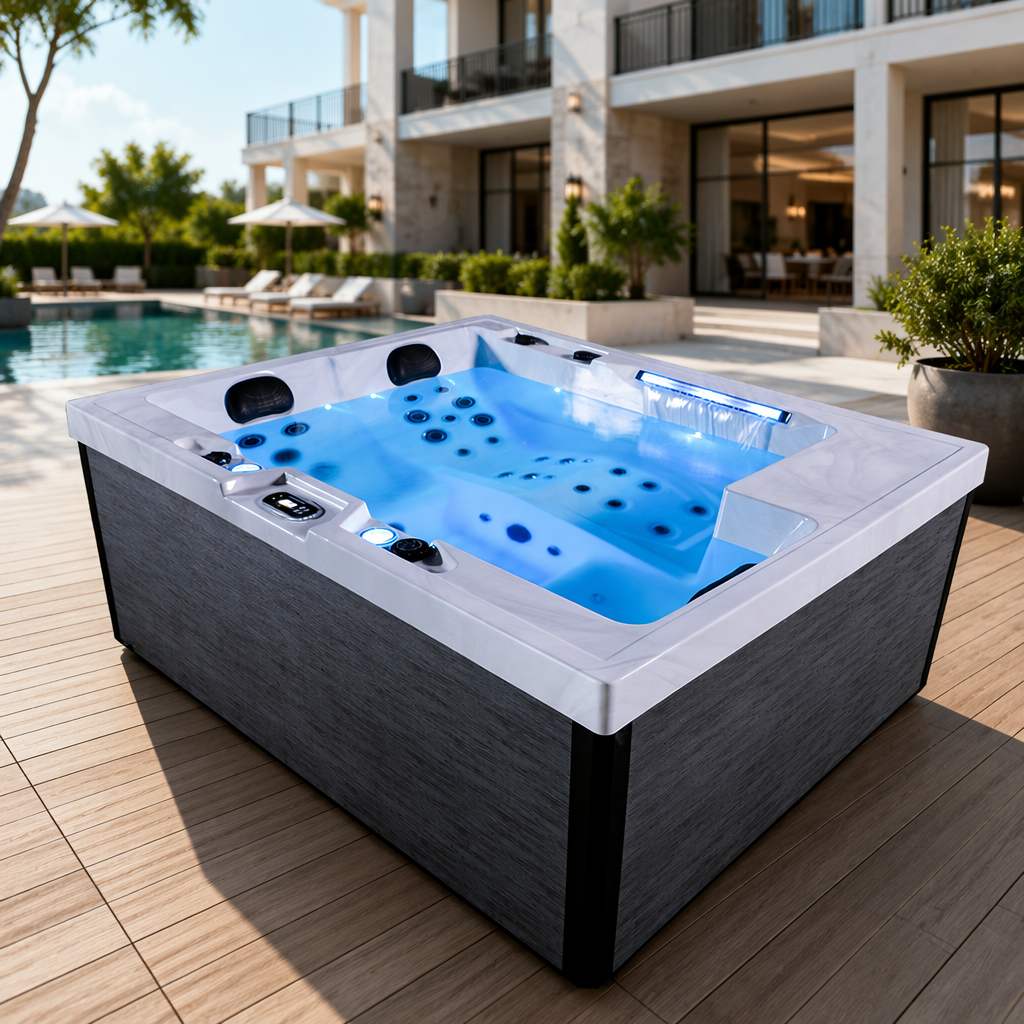
Why is inner tank thickness particularly important for freestanding outdoor hot tubs?
Compared to ordinary indoor bathtubs, outdoor freestanding spa hot tubs face a more complex usage environment, and the pressure their structure withstands far exceeds the imagination of ordinary consumers.
A standard four-person freestanding jacuzzi tub typically holds between 1000 and 1500 liters of water. Assuming 1 liter of water equals approximately 1 kilogram, the weight of the water alone can reach 1000 to 1500 kilograms. When four adults enter the tub simultaneously, the total weight often exceeds 1500 kilograms, and some large six-person freestanding hot tubs even need to withstand a total load exceeding 2500 kilograms over extended periods.
This pressure is not temporary but continuous throughout the entire usage cycle. The inner tank must withstand not only the vertical weight pressure but also the thrust of water from the side walls. If the inner tank is not thick enough, problems such as localized deformation, bottom sinking, bulging of the tub walls, and even the spread of micro-cracks can easily occur during long-term use.
More importantly, outdoor freestanding spa hot tubs are constantly exposed to the natural environment. During the hot summer months, the surface temperature of a bathtub can exceed 60°C; in cold winter regions, the ambient temperature can drop below 0°C. Frequent hot and cold cycles cause the material to expand and contract, accelerating fatigue and aging. In this situation, a thicker inner tank structure can more effectively distribute stress, reduce the risk of material fatigue, and improve overall lifespan.
What are some common materials used for the inner tank of freestanding hot tubs on the market?
Currently, mainstream outdoor freestanding spa hot tubs mainly use acrylic, ABS composite materials, and fiberglass reinforced structures. Acrylic is the most common choice in the high-end market. This material has good gloss, corrosion resistance, and heat insulation properties, while also possessing strong plasticity, thus meeting various ergonomic seating design requirements.
The international high-end SPA industry widely uses American Lucite acrylic sheets, typically between 5mm and 6mm thick. Mid-to-low-end products often use 3mm to 4mm thickness. Some manufacturers, in order to reduce costs, use a thinner acrylic layer combined with an ABS base to form a composite structure. While this reduces production costs, it often results in a difference in long-term durability.
In addition, many high-quality freestanding spa hot tubs add a fiberglass reinforcement layer to the back of the acrylic. This structure further improves overall rigidity and impact resistance, allowing the product to maintain better stability under long-term full load.
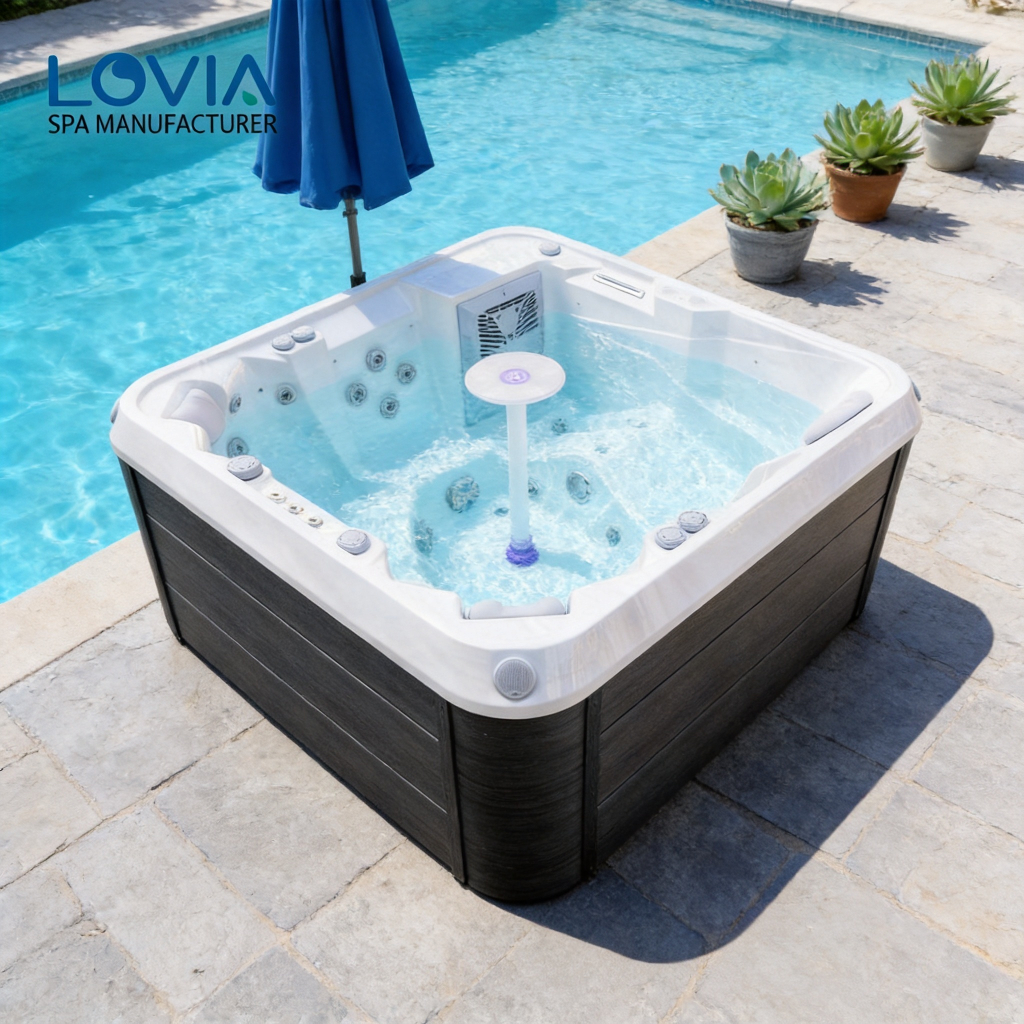
How does the inner tank thickness affect the structural strength of a freestanding jacuzzi tub?
From an engineering perspective, the relationship between thickness and strength is not a simple direct proportionality.
Materials mechanics research shows that the bending stiffness of a sheet material is directly proportional to the cube of its thickness. This means that for every certain increase in thickness, the increase in structural stiffness often far exceeds the increase in the thickness itself.
I. Structural Advantages of Increased Thickness
For example, when the thickness of the acrylic inner tank increases from 3 mm to 6 mm, although the thickness only doubles, the theoretical bending resistance may increase by nearly eight times. Therefore, a thicker inner tank can effectively reduce tub wall deformation and bottom sinking problems.
Industry test data shows that under the same load conditions:
• 3mm acrylic sheets have an average deformation of approximately 7 to 9 mm;
• 5mm acrylic sheets have an average deformation of approximately 3 to 4 mm;
• 6mm acrylic sheets typically have an average deformation of less than 2 mm.
For freestanding jacuzzi tubs that operate continuously with full water, this difference directly affects product stability and lifespan.
II. Fatigue Wear During Long-Term Use
Many structural failures do not stem from a single overload, but from the accumulation of repeated stress over a long period.
Freestanding jacuzzi tubs undergo daily processes of filling, heating, cooling, and draining water. These cycles subject the material to continuous expansion and contraction stress. Over time, thinner inner tanks are more prone to developing microcracks, which can eventually lead to leaks or even structural failure.
Therefore, high-end freestanding hot tub brands typically prioritize thicker sheets to improve the product's long-term fatigue resistance.
III. ความหนาของถังด้านในมีผลต่อประสิทธิภาพของฉนวนมากน้อยเพียงใด?
โดยทั่วไปแล้ว ผู้บริโภคที่ซื้ออ่างจากุซซี่แบบตั้งพื้นสำหรับใช้งานกลางแจ้ง มักคาดหวังประสบการณ์การใช้น้ำอุ่นที่คงที่และสะดวกสบาย ประสิทธิภาพของฉนวนกันความร้อนส่งผลโดยตรงต่อความสะดวกสบายของผู้ใช้และต้นทุนการใช้งาน
แม้ว่าปัจจัยสำคัญที่กำหนดประสิทธิภาพของฉนวน ได้แก่ ความหนาของชั้นโฟม คุณภาพของใยฉนวน และโครงสร้างแผงภายนอก แต่ความหนาของถังด้านในก็มีบทบาทสำคัญเช่นกัน
ตามทฤษฎีการนำความร้อน เมื่อความหนาของวัสดุเพิ่มขึ้น เส้นทางการถ่ายเทความร้อนออกไปภายนอกจะยาวขึ้น จึงช่วยลดอัตราการสูญเสียความร้อน ข้อมูลจากการทดลองบางส่วนแสดงให้เห็นว่า อ่างน้ำร้อนแบบตั้งพื้นที่มีถังภายในทำจากอะคริลิกหนา 5 มม. สามารถลดการสูญเสียความร้อนได้ประมาณ 10% ถึง 15% เมื่อเทียบกับผลิตภัณฑ์ที่มีความหนา 3 มม.
ความแตกต่างนี้เห็นได้ชัดเจนเป็นพิเศษในสภาพแวดล้อมช่วงฤดูหนาว ตัวอย่างเช่น ที่อุณหภูมิแวดล้อมประมาณ 5°C อ่างน้ำร้อนแบบตั้งพื้นที่มีผนังหนากว่าสามารถรักษาอุณหภูมิน้ำที่ตั้งไว้ได้นานกว่า ลดความถี่ในการเปิดใช้งานระบบทำความร้อน และลดการใช้พลังงานลง
สำหรับโครงการเชิงพาณิชย์ ข้อได้เปรียบด้านการประหยัดพลังงานนี้ยังส่งผลให้ต้นทุนการดำเนินงานลดลงอีกด้วย ในระยะยาว การประหยัดพลังงานจากถังภายในที่หนาขึ้นมักจะชดเชยต้นทุนการซื้อเริ่มต้นบางส่วนได้
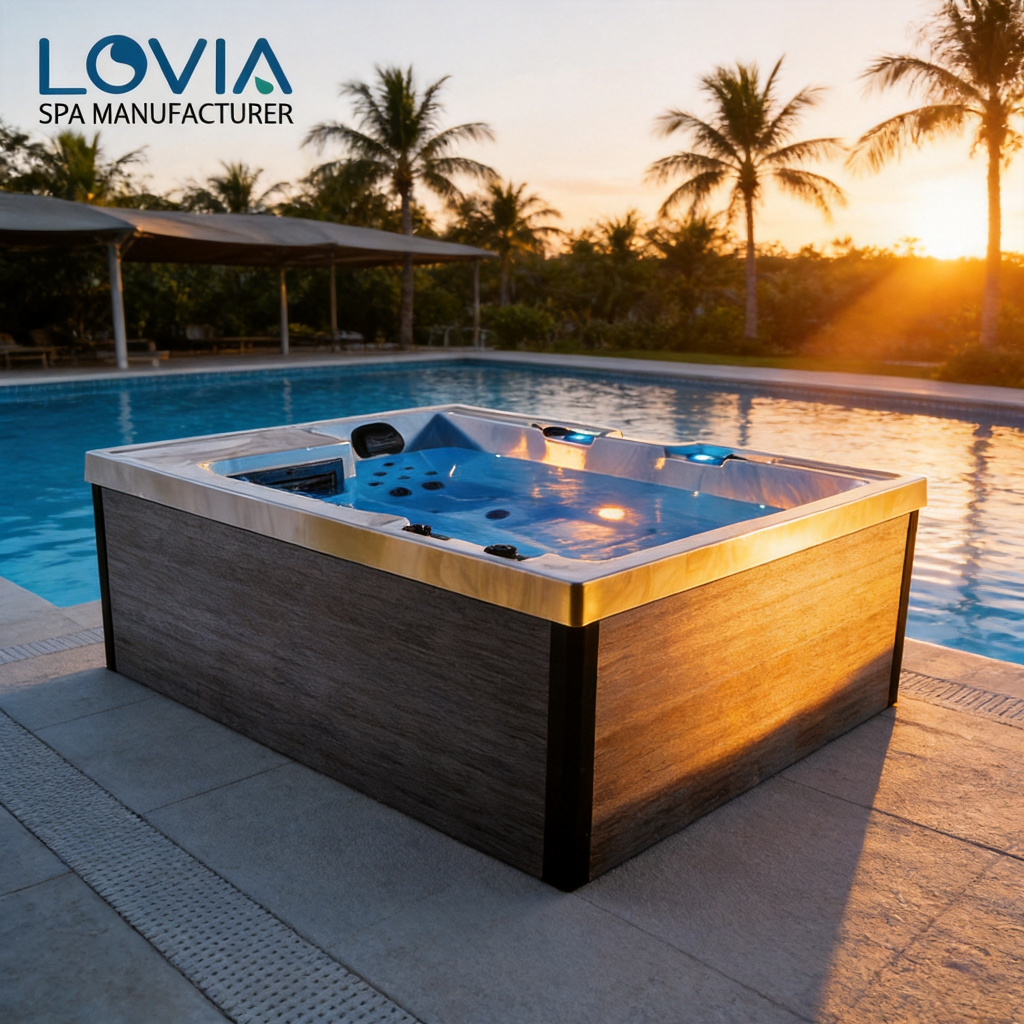
ความสัมพันธ์ระหว่างความหนาของถังด้านในและอายุการใช้งานของอ่างอาบน้ำร้อนแบบตั้งพื้น
หากความแข็งแรงของโครงสร้างเป็นตัวกำหนดว่า...อ่างอาบน้ำร้อนแบบตั้งพื้นสามารถใช้งานได้ตามปกติ โดยความหนาของถังด้านในจะเป็นตัวกำหนดอายุการใช้งานเป็นส่วนใหญ่
ข้อมูลจากประสบการณ์ในอุตสาหกรรมแสดงให้เห็นว่า ผลิตภัณฑ์ที่มีความหนาต่างกันจะมีอายุการใช้งานที่แตกต่างกันอย่างมีนัยสำคัญ
โดยเฉลี่ยแล้ว อ่างอาบน้ำอุ่นแบบตั้งพื้นผนังบางมาตรฐานจะมีอายุการใช้งานระหว่าง 5 ถึง 8 ปี ผลิตภัณฑ์ที่มีความหนาปานกลางจะมีอายุการใช้งานประมาณ 8 ถึง 12 ปี ในขณะที่อ่างอาบน้ำอุ่นแบบตั้งพื้นซึ่งใช้วัสดุอะคริลิกคุณภาพสูง (หนา 5 มม. ขึ้นไป) ร่วมกับการเสริมแรงด้วยใยแก้วโดยทั่วไปจะมีอายุการใช้งานมากกว่า 15 ปี
เหตุผลหลักที่ทำให้เกิดความแตกต่างนี้คือ ความหนาที่มากกว่าจะช่วยรักษาความปลอดภัยได้มากกว่า แม้หลังจากวัสดุเสื่อมสภาพแล้วก็ตาม แม้หลังจากสัมผัสกับรังสียูวีและการเปลี่ยนแปลงอุณหภูมิเป็นเวลาหลายปี โครงสร้างที่มีผนังหนายังคงรักษาความแข็งแรงได้ในระดับสูงกว่า ในขณะที่ผลิตภัณฑ์ที่มีผนังบางมีแนวโน้มที่จะเกิดปัญหาโครงสร้างได้ง่ายกว่าเนื่องจากการเสื่อมสภาพของวัสดุ
สำหรับผู้บริโภค อายุการใช้งานที่ยาวนานขึ้นไม่เพียงแต่หมายถึงต้นทุนการเปลี่ยนอะไหล่ที่ต่ำลงเท่านั้น แต่ยังหมายถึงความถี่ในการบำรุงรักษาที่ลดลง และประสบการณ์การใช้งานที่เสถียรยิ่งขึ้นอีกด้วย
เหตุใดการออกแบบถังด้านในที่หนากว่าจึงมีความจำเป็นมากกว่าสำหรับอ่างอาบน้ำร้อนแบบตั้งพื้นในพื้นที่กลางแจ้ง?
ผู้บริโภคจำนวนมากเข้าใจผิดคิดว่าอ่างอาบน้ำภายในบ้านและอ่างอาบน้ำแบบตั้งพื้นภายนอกบ้านนั้นเหมือนกันสปา อ่างน้ำร้อนมีข้อกำหนดด้านโครงสร้างที่คล้ายคลึงกัน แต่ในความเป็นจริงแล้ว แรงกดดันด้านสิ่งแวดล้อมที่พวกมันต้องเผชิญนั้นแตกต่างกันอย่างสิ้นเชิง
รังสีอัลตราไวโอเลตในสภาพแวดล้อมกลางแจ้งเป็นปัจจัยสำคัญที่ทำให้วัสดุพลาสติกเสื่อมสภาพ จากการศึกษาพบว่าโพลิเมอร์ที่สัมผัสกับแสงแดดเป็นเวลานานอาจสูญเสียคุณสมบัติทางกลไป 2% ถึง 5% ต่อปี และหลังจากหลายปี การเสื่อมสภาพนี้จะมีความสำคัญอย่างมาก
นอกจากนี้ ฝน ความชื้นในอากาศ ละอองเกลือ และการเปลี่ยนแปลงอุณหภูมิในแต่ละวัน ล้วนเร่งกระบวนการเสื่อมสภาพ สำหรับอ่างจากุซซี่แบบตั้งพื้นที่มีดีไซน์สำหรับใช้งานกลางแจ้งในระยะยาว ความหนาเริ่มต้นที่ไม่เพียงพออาจทำให้ความแข็งแรงของโครงสร้างลดลงอย่างรวดเร็วจนถึงขีดจำกัดความปลอดภัยหลังจากใช้งานไปสักระยะ ทำให้ความเสี่ยงต่อความเสียหายเพิ่มขึ้น
ดังนั้น อุปกรณ์ตั้งพื้นกลางแจ้งแบบมืออาชีพสปา ผู้ผลิตอ่างน้ำร้อนมักใช้ชั้นอะคริลิกที่หนากว่าและโครงสร้างเสริมแรงที่แข็งแรงกว่า เพื่อให้มั่นใจว่าผลิตภัณฑ์ของตนสามารถทนทานต่อการใช้งานกลางแจ้งในระยะยาวได้
วัสดุที่หนากว่านั้นดีกว่าเสมอหรือไม่สำหรับขาตั้งแบบตั้งพื้นสปา อ่างน้ำร้อน?
แม้ว่าความหนาจะเป็นสิ่งสำคัญ แต่ไม่ได้หมายความว่ายิ่งหนายิ่งดีเสมอไป
จากมุมมองด้านการออกแบบผลิตภัณฑ์ ความหนาที่เพิ่มขึ้นจะนำไปสู่ต้นทุน น้ำหนัก และความยากลำบากในการผลิตที่เพิ่มขึ้น หากความหนาเกินช่วงที่เหมาะสม ประสิทธิภาพที่เพิ่มขึ้นอาจน้อยกว่าต้นทุนที่เพิ่มขึ้นมาก
ปัจจุบัน อุตสาหกรรมโดยทั่วไปเชื่อว่าชั้นอะคริลิกหนา 5-6 มม. เป็นช่วงความหนาที่เหมาะสมที่สุดสำหรับขาตั้งกลางแจ้งแบบอิสระสปา อ่างน้ำร้อนที่ใช้ในบ้าน หากเสริมด้วยชั้นใยแก้วหนา 6-10 มม. โครงสร้างโดยรวมจะสามารถตอบสนองความต้องการใช้งานระยะยาวได้เกือบทุกกรณี
ดังนั้น ผู้บริโภคควรให้ความสำคัญกับความหนาที่เหมาะสมและดีไซน์โครงสร้างโดยรวมเมื่อเลือกซื้อ มากกว่าที่จะเลือกแต่ความหนาที่สูงที่สุดเท่าที่จะเป็นไปได้
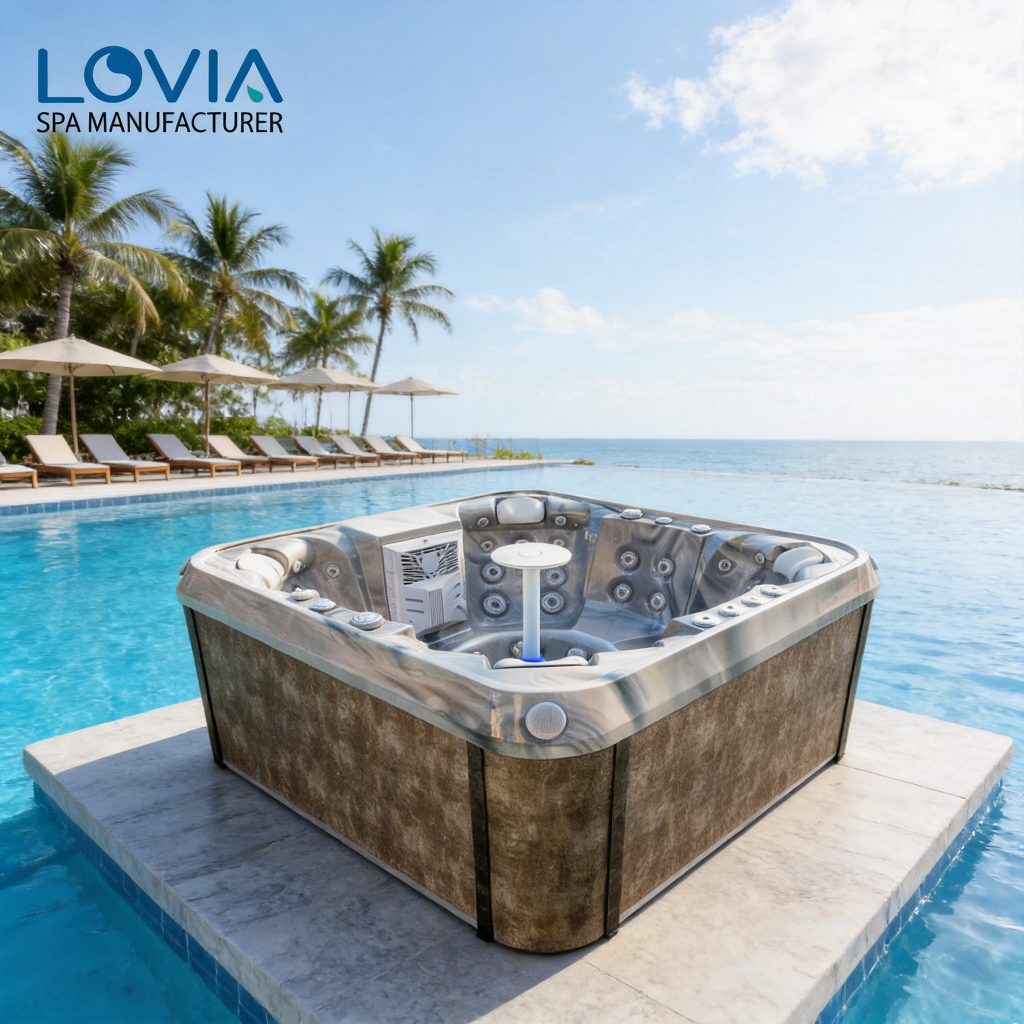
คำถามที่พบบ่อย
ความหนาที่เหมาะสมสำหรับถังด้านในของอ่างน้ำร้อนแบบตั้งพื้นกลางแจ้งคือเท่าใด?
โดยทั่วไปในอุตสาหกรรมเชื่อว่าถังภายในที่ทำจากอะคริลิกหนา 5-6 มม. เหมาะสำหรับการใช้งานกลางแจ้งในระยะยาวมากกว่า หากเสริมด้วยชั้นใยแก้วอีกชั้นหนึ่ง จะช่วยเพิ่มความทนทานและเสถียรภาพโดยรวมได้ดียิ่งขึ้น
ความหนาของถังด้านในมีผลต่อการกักเก็บความร้อนของอ่างจากุซซี่แบบตั้งพื้นหรือไม่?
มันจะมีผลกระทบอยู่บ้าง ถังด้านในที่หนาขึ้นสามารถลดอัตราการถ่ายเทความร้อน ซึ่งจะช่วยลดการสูญเสียความร้อนได้ อย่างไรก็ตาม ประสิทธิภาพการกักเก็บความร้อนจำเป็นต้องได้รับการประเมินควบคู่ไปกับชั้นโฟมและโครงสร้างโดยรวมด้วย
ถังด้านในขนาด 3 มม. กับ 5 มม. สำหรับอ่างจากุซซี่แบบตั้งพื้นนั้นแตกต่างกันมากไหม?
ความแตกต่างนั้นค่อนข้างมาก โดยทั่วไปแล้วถังด้านในขนาด 5 มม. จะทนทานต่อการเสียรูป ความล้า และมีอายุการใช้งานโดยรวมดีกว่าถังขนาด 3 มม. อย่างเห็นได้ชัด
ถังด้านในที่หนากว่าจะทนทานกว่าเสมอหรือไม่ในเครื่องทำน้ำอุ่นแบบตั้งพื้นสปา อ่างน้ำวน?
โดยทั่วไปแล้ว หากใช้วัสดุคุณภาพเดียวกันและกระบวนการผลิตเดียวกัน ถังด้านในที่หนากว่าจะมีโครงสร้างแข็งแรงกว่าและมีอายุการใช้งานยาวนานกว่า แต่ก็ต้องพิจารณาถึงเกรดของวัสดุและการออกแบบโครงสร้างโดยรวมด้วย
เมื่อซื้อโต๊ะตั้งพื้น ควรพิจารณาข้อมูลความหนาแบบใดบ้างสปา อ่างน้ำวน?
แนะนำให้พิจารณาความหนาจริงของชั้นอะคริลิก ความหนาของชั้นเสริมแรงด้วยใยแก้ว และโครงสร้างโดยรวม มากกว่าที่จะพิจารณาเพียงแค่ตัวเลขความหนารวมที่โฆษณาไว้